
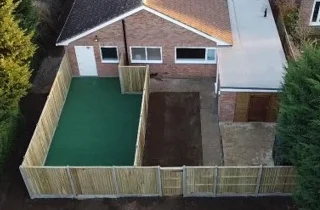
Sound travels easily through the air, often creating unwanted noise and disturbance. This includes traffic, dogs barking and garden parties. Often, people would like these sounds to dissipate into nothing for a bit of peace and quiet. Houses that are located on busy residential streets, main road areas and densely populated areas are particularly susceptible to these common noise producers.
What is Soundproof Fencing & Where they are Used
Soundproofing fencing, also known as acoustic fencing or noise-reduction fencing, is a type of outdoor noise barrier that is designed to absorb, block or reflect sound that passes around the area. Common use cases for soundproof fencing are in residential gardens that are near busy roads or railway lines. Commercial sites that need to minimise noise for neighbours. Construction sites which will need to dampen noises from tools and vehicles. Industrial facilities that have vast HVAC systems, generators or workshops. Finally, schools and community spaces that may require quieter outdoor areas.
How Does it Work
There are various ways in which soundproof fences work, each with various different techniques and usecases.
Absorption: This is when the fencing is building with materials that soaks up sound waves, like how foam and/or fibreglass wool would do in studio walls
Reflection/Deflection: This is where the fence is designed to keep sounds out and send them back towards the source or upwards. Materials that do this are stone, glass and metals.
Mass & Density: Heavy materials tend to naturally block sound more, so building thicker fencing can help with this; however, this is less common.
Height: Taller fences help block sound as the sound can’t travel through them.
Different types of soundproof fencing
There are several different types of soundproof fencing that each share various use cases.
Acoustic Timber Fencing
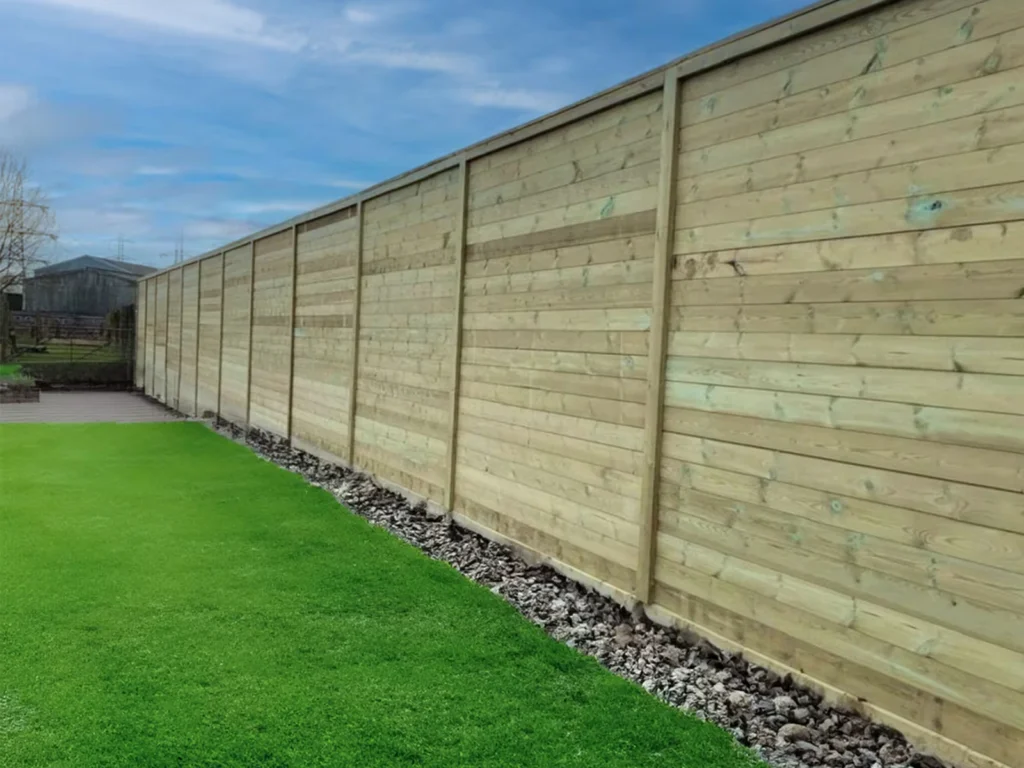
This fence is made from dense, pressure-treated timber panels. It is often built with overlapping boards or tongue-and-groove to eliminate gaps. This is a popular choice for residential gardens due to its natural look.
Acoustic Composite Fencing
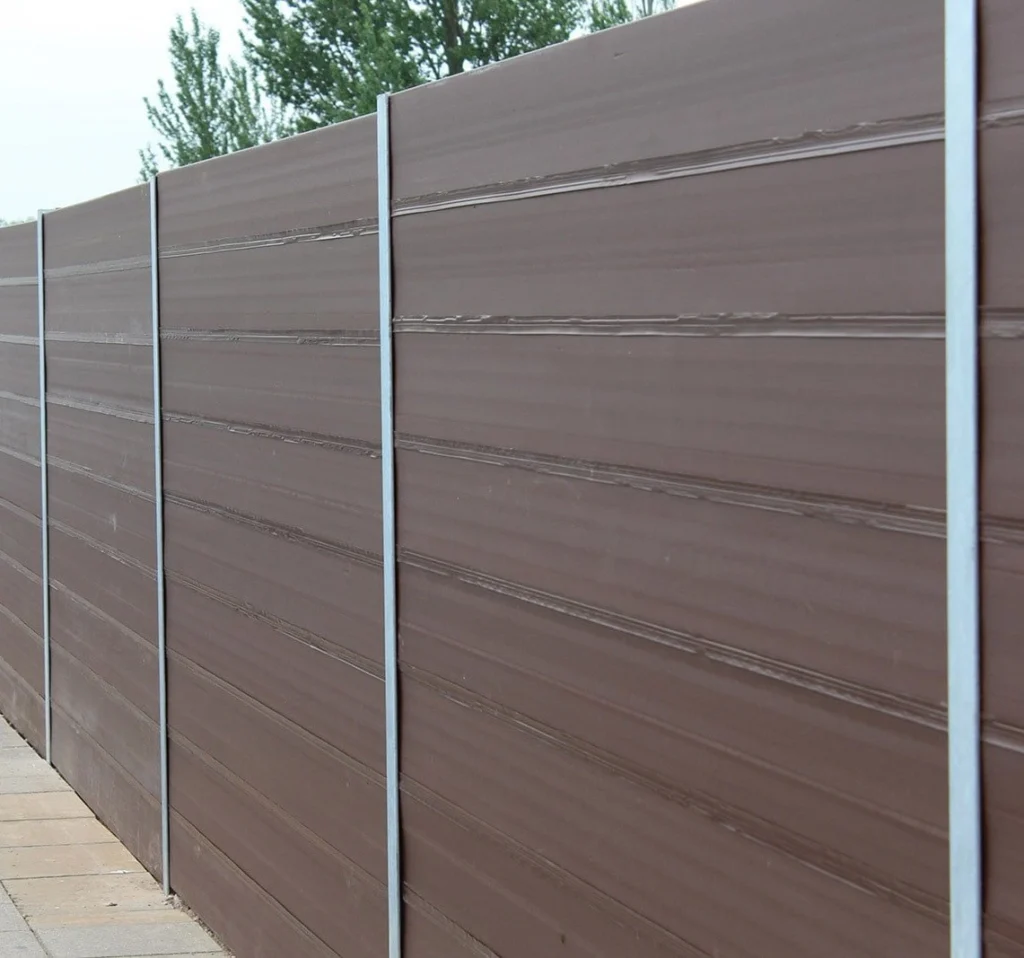
This fence is made from a blend of wood fibres and recycled plastics. This fence is durable, maintenance-free, and offers good sound reduction
Acoustic Metal Barriers
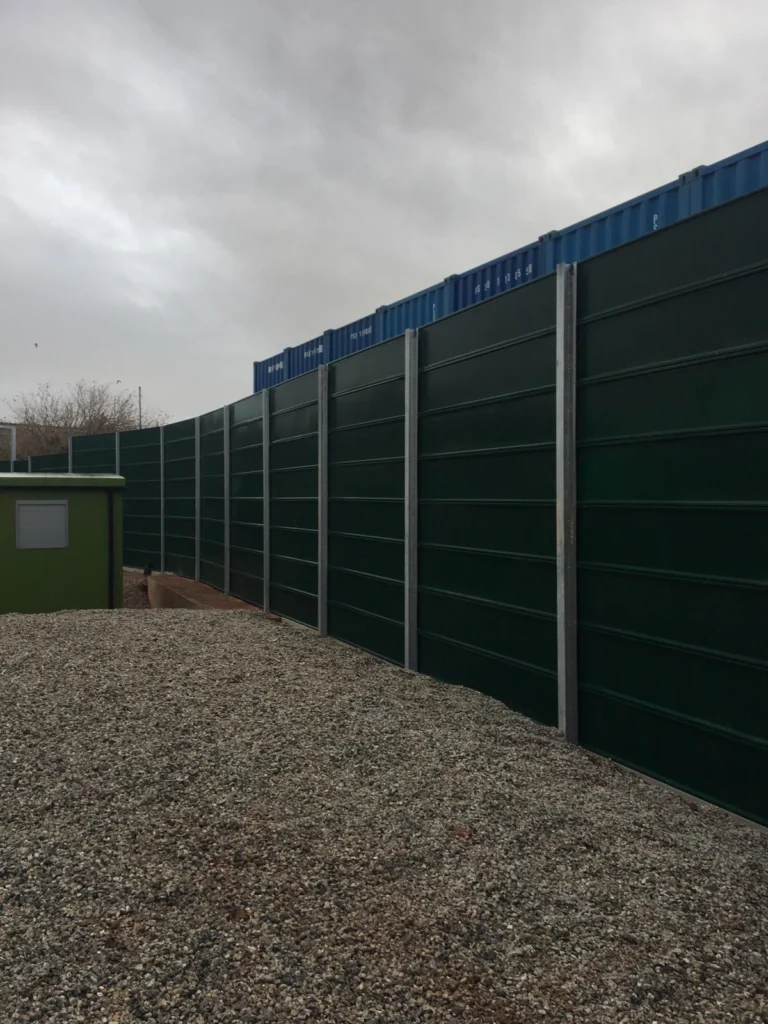
Uses steel or aluminium panels with internal sound-absorbing layers, which are strong, long-lasting and highly effective for industrial areas.
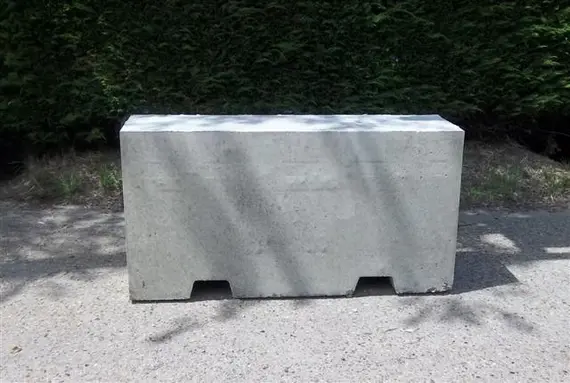
Concrete or Masonry Barriers
Heavy-duty barriers that are designed for traffic management and construction site zoning.
Living or Green Sound Barriers
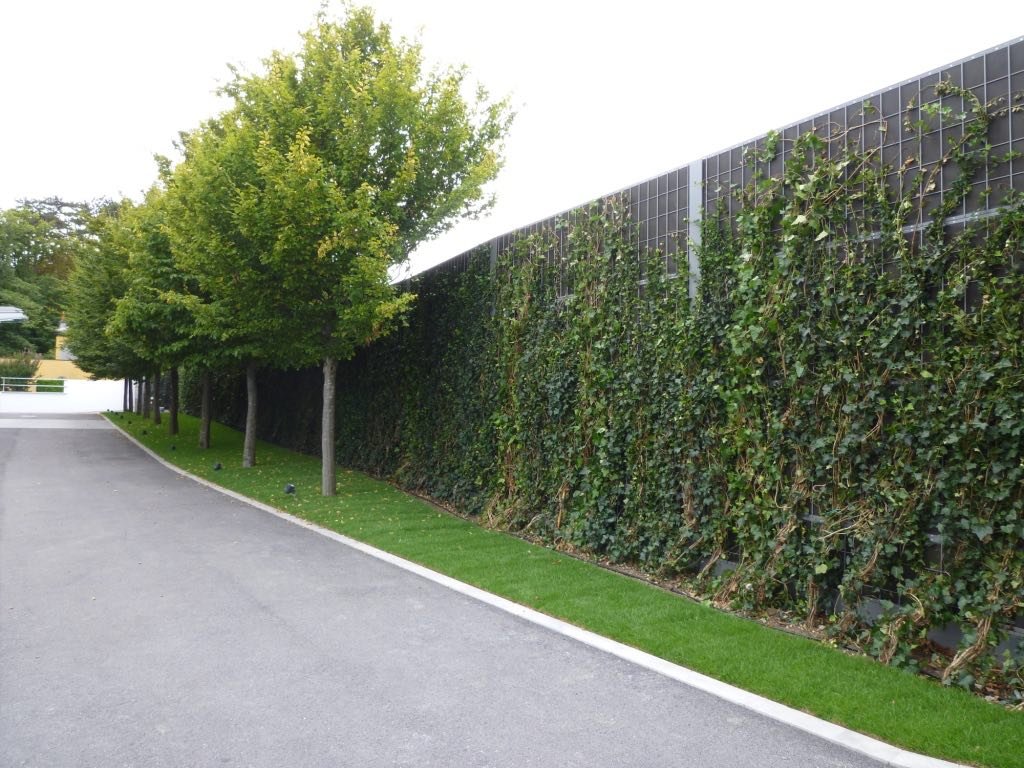
These are a more natural barrier as it included hedges, trees, plants, or other plant-based vegetation on a solid backing. While this technique offers a moderate noise reduction, it does improve aesthetics and biodiversity.
Benefits of Using Soundproof Fencing
Soundproof fencing is great for reducing unwanted noises, providing more peaceful and quieter nights for the resident. It can also provide a sense of privacy by adding a barrier that keeps the garden and outdoor space sound contained within the area.
Furthermore, soundproof fencing is durable and long-lasting, as most fencing is built from dense, weather-resistant materials and with the right installation, it can provide long-term performance with minimal maintenance.
Finally, soundproof fencing is versatile, being suitable for homes, commercial buildings and construction sites. The fencing is available in many different variants that suit the environment, the use case and needs.